Penguins have feathers.
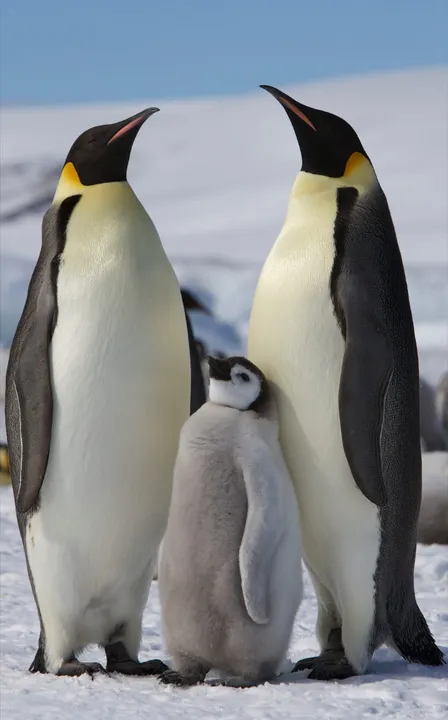
From a distance, they can look as if they are wearing a smooth coat. Chicks can look like soft fluff. That makes the question natural: fur or feathers?
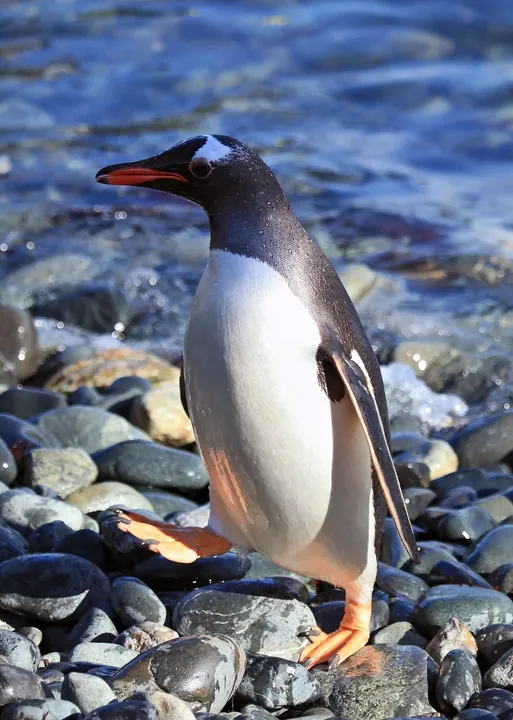
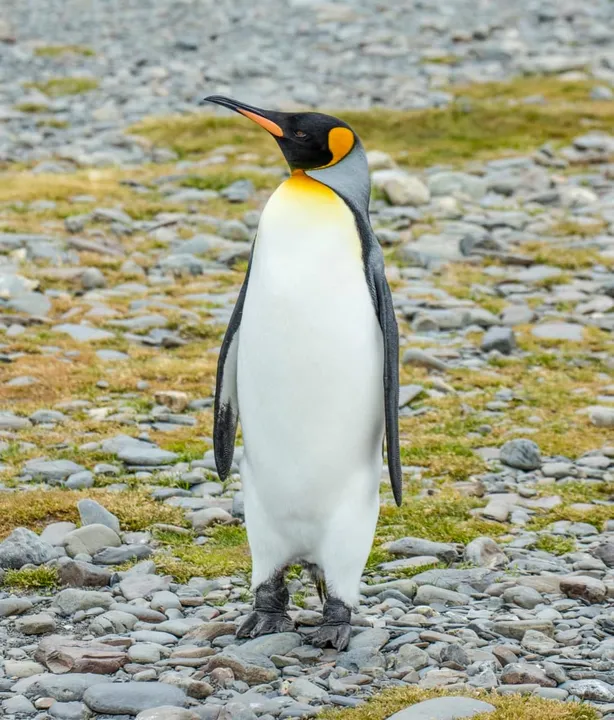
The answer is feathers. Penguins are birds, and the body covering is feathered. The feathers are dense, short, and arranged differently from what you may picture on many flying birds.
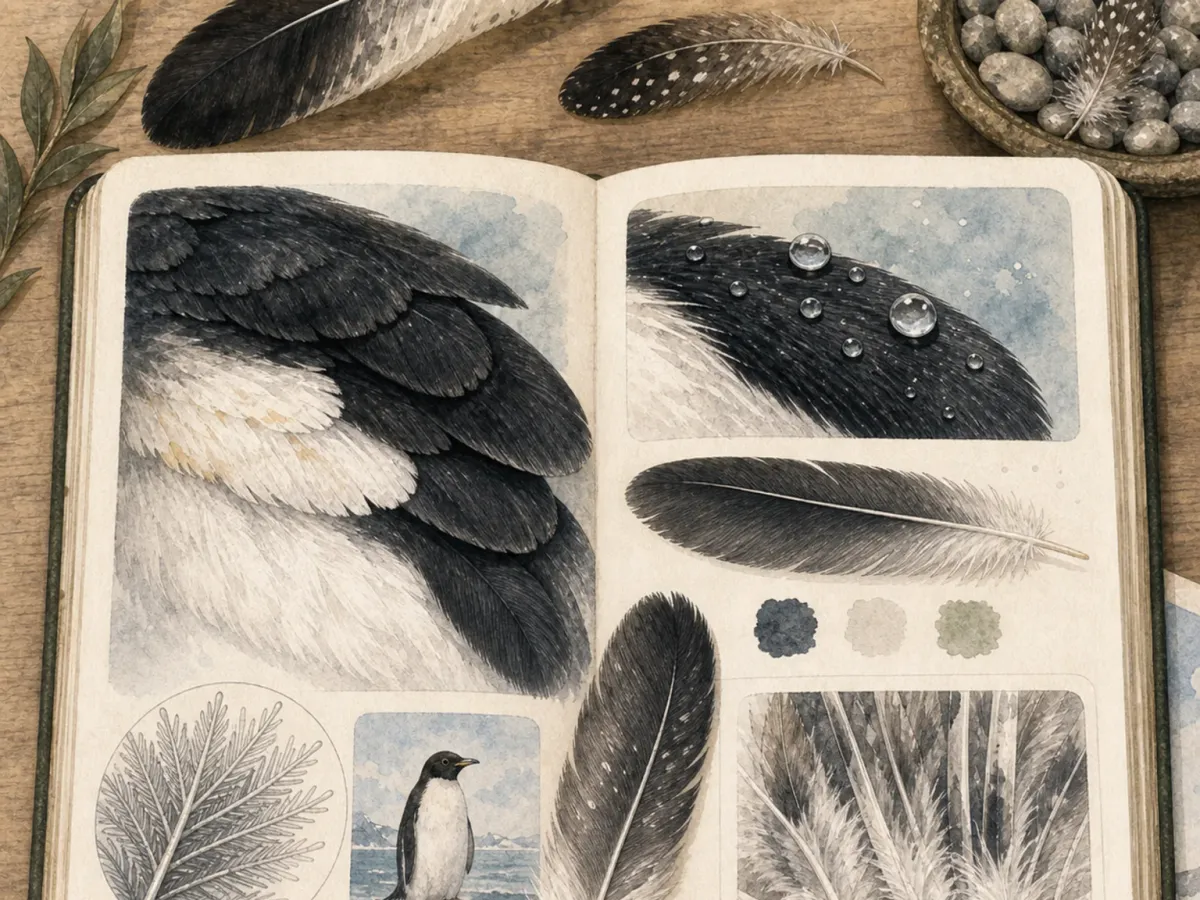
Feathers are insulation and waterproofing
Penguins live at sea, so the body has to handle cold water, wind, and long dives.
Feathers help trap air, insulate the body, and reduce water reaching the skin. If the feather coat is not in good condition, entering cold water becomes dangerous because heat is lost more easily.
That is why moult matters. It is not a cosmetic refresh. It is the renewal of a waterproof outer system. The deeper article is penguin catastrophic moult.
Chick down is not ready for the sea
Many penguin chicks have fluffy down that looks fur-like. It is useful for warmth, but it is not the same as the waterproof adult coat.
Chicks need to grow feathers suitable for entering the sea before they leave the breeding site. For sea-ice species, early ice breakup can become dangerous if chicks are not ready.
FAQ
Is a penguin covered in fur?
No. Penguins are covered in feathers. They are dense and short, so they can look different from the feathers of many flying birds.
What do penguin feathers do?
They help insulate the body, reduce water reaching the skin, and keep the surface suitable for swimming.
Do penguins moult?
Yes. Many penguins stay on land or ice during moult until new feathers are ready for safe swimming.